
Whoa!
I still remember the first time a swap ate my slippage and left me staring at a drained balance.
It felt like a punch.
Initially I thought bad timing was to blame, but then realized the transaction itself would have failed if I’d simulated it first—something felt off about doing trades without that safety net.
My instinct said: build a habit around simulation, not hope.
Really?
Okay, so check this out—transaction simulation isn’t just for rookies.
Most advanced DeFi users run scenarios before they sign anything, because the chain doesn’t forgive mistakes.
On one hand simulation saves gas and grief, though actually it also surfaces subtle reentrancy or slippage edge cases that you might miss during mental math.
I learned to trust simulations like a pre-flight checklist—annoying at first, then very very essential.
Hmm…
Simulation works by replaying a proposed transaction in a local or forked environment, which predicts whether it will succeed and what state changes would happen.
That lets you inspect gas use, token transfer flows, and even calls to other contracts without broadcasting to the mainnet.
If a protocol has a weird incentive or refund logic, you can see it ahead of time instead of discovering it on the blockchain.
So yeah—simulate and save yourself from somethin’ dumb that looks simple in the UI.
Whoa!
DeFi protocols are glorified spaghetti: composable, powerful, and occasionally brittle.
A single trade might touch five contracts, with flash-loan hooks and oracle reads in-between.
On-chain state at the time of execution matters, meaning a transaction that passed on a forked block might still fail if mempool conditions change—there’s nuance here, and nuance matters.
I’m biased, but I think simulation is the easiest way to add a safety layer before you sign off your wallet.
Seriously?
Yes—because simulation also flags permission and approval issues.
You can see if a contract will try to transfer tokens you didn’t intend to allow, or request approvals beyond the exact amount.
That little approval modal can be a trap; simulating it helps you catch over-permissive allowances and front-run risky interactions.
On the flip side, some legitimate flows require temporary approvals and you’ll need judgement—no tool is a silver bullet.
Whoa!
Let me get a bit technical for a moment.
Simulation often forks the mainnet state at a recent block, then runs your tx via an EVM node or simulation engine, capturing return data and emitted events.
This process identifies revert reasons, estimated gas, and subtle state deltas, which matter if you care about composability or MEV exposure.
Honestly, the depth of insight you can get here is underappreciated—especially when you’re interacting with yield aggregators or cross-chain bridges.
Hmm…
I tried a complex leverage strategy once without proper sim checks (yeah, rookie move).
Result: collateral ratio bounce and an ugly liquidation edge I hadn’t accounted for.
After that I stopped guessing and started replaying trades with a tool that shows internal calls and token flows.
It was an aha! moment that changed my routine.
Whoa!
If you’re building or auditing DeFi protocols, simulation is a developer’s best friend.
You can write unit tests, but running realistic simulations against a forked mainnet exposes integration issues and oracle timing problems that tests miss.
On the user side, simulation turns black-box contracts into something you can inspect—gas spikes, deadline logic, even downstream contract calls become visible.
That visibility reduces surprise risk, which is the main kind of risk that bites casual users.
How rabby wallet fits into the picture
Here’s the thing.
Not all wallets simulate transactions the same way.
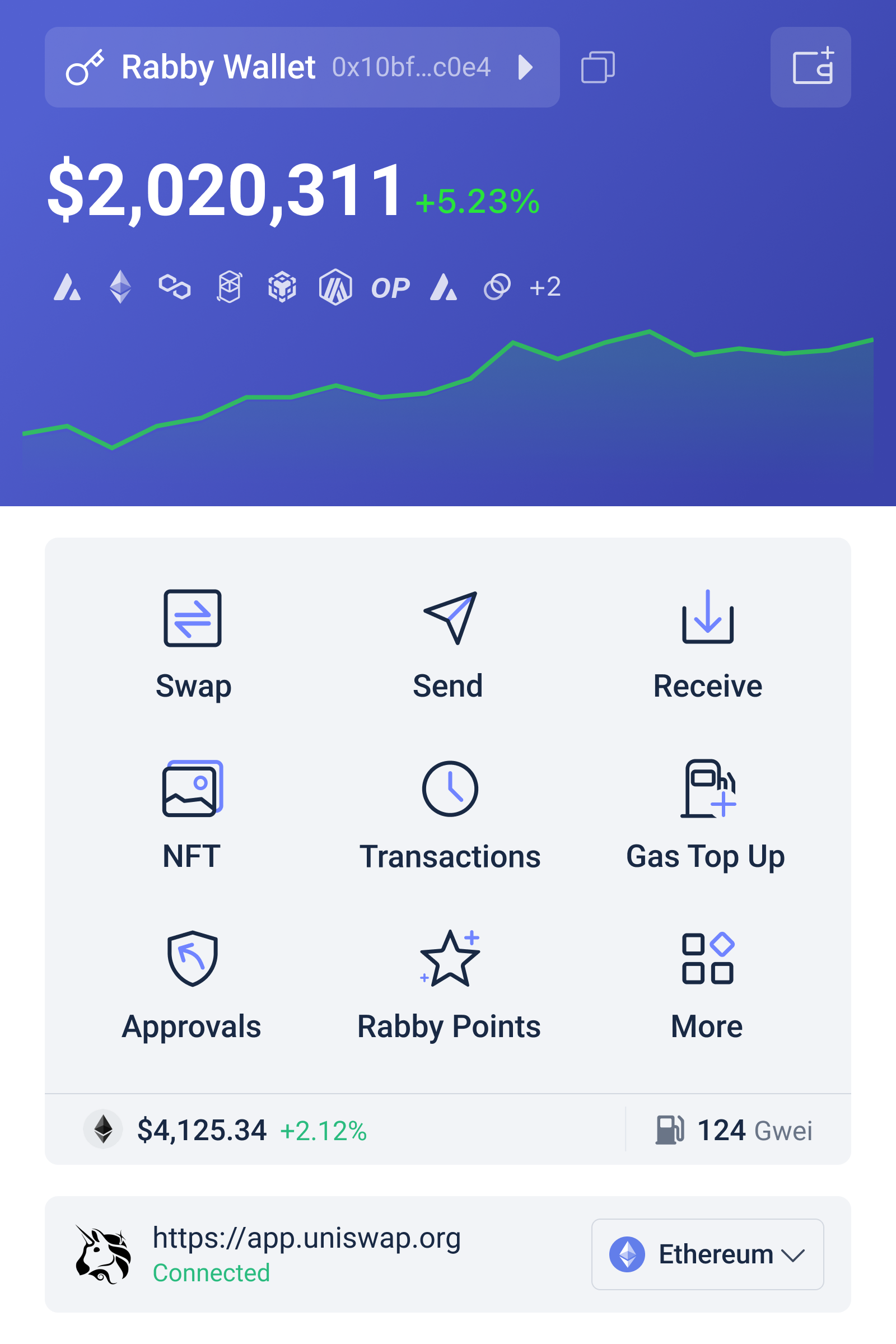
I started using rabby wallet because it integrates simulation into the signing flow, offering clear previews of token movements and potential revert reasons before you press confirm.
That UX nudge changes behavior—people stop and read, they catch dangerous approvals, and they avoid trades that would have provably failed.
Seriously, having that preview built into the wallet cut down my small mistakes by a lot.
Whoa!
There’s an ecosystem angle too.
DeFi protocols that design for simulation—clear revert messages, predictable state transitions, gas-efficient calls—tend to be more composable and user-friendly.
Protocols that obscure internal calls or rely on convoluted delegatecalls create simulation blind spots and those are the ones I avoid if possible.
On one hand you want permissionless innovation, though on the other hand you also want predictability when money is at stake.
Finding that balance is the hard part.
Hmm…
For power users, add-ons like gas profiling and mempool sensitivity make simulations even more useful.
You can test how your transaction behaves under different gas price assumptions and whether sandwich attacks or MEV bots could alter the outcome.
This isn’t paranoia—it’s risk management in an adversarial environment.
Initially I thought MEV was abstract, but after simulating transactions that show potential front-running, I changed strategies to be more stealthy.
Whoa!
A few practical habits to adopt right now:
1) Always simulate before signing large trades or complex vault interactions.
2) Inspect internal token flows and events for unexpected transfers.
3) Check approvals—don’t allow blanket allowances unless you trust the contract.
4) Consider replaying the simulation with different gas price assumptions to surface MEV risk.
Do this and you’ll make fewer avoidable mistakes.
FAQ — Quick answers for busy DeFi users
Does simulation guarantee success?
No. Simulation is predictive based on a forked state and assumptions; it reduces risk but can’t account for future mempool changes or race conditions.
On the flip side, it will catch many deterministic failures and expose suspicious token flows that you’d otherwise miss.
Will sim tools cost gas?
Usually no—most simulations run locally or against a fork and don’t post to chain, so you only pay if you actually broadcast the transaction.
That makes sim a cheap insurance policy, even if you run it often.